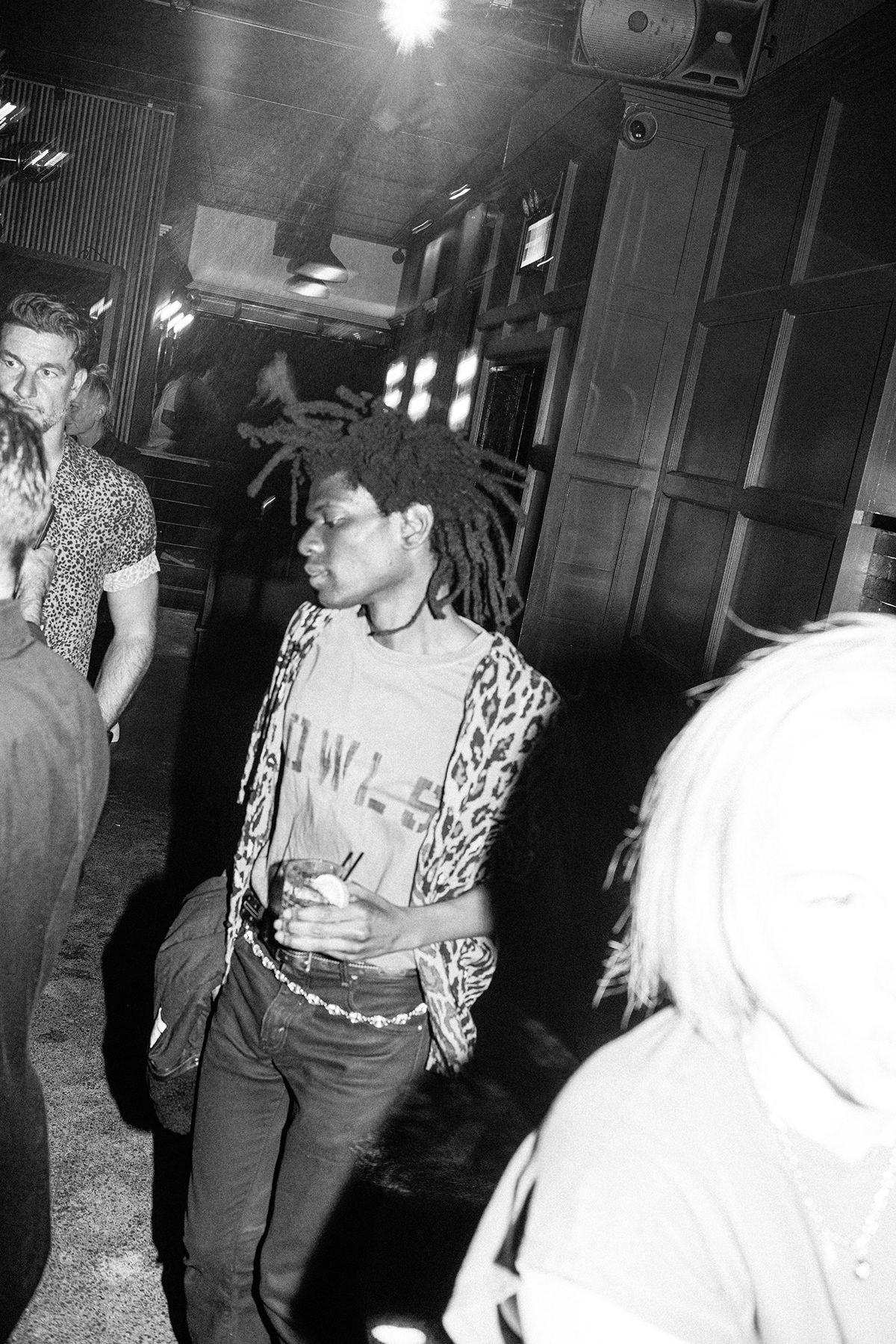
the look, described plainly
Direct flash means the flash is mounted on top of the camera, pointed straight at the subject, no bounce, no diffusion, no softbox. It produces a specific, recognizable look: a hard-edged shadow thrown behind the subject onto whatever's directly behind them, bright even skin tones, and a flattening of the background into near-darkness. Everything the light touches is lit; everything it doesn't falls away.
It's the opposite of the soft, wraparound light most portrait photography chases. That's not an accident. It's a specific aesthetic lineage, and it's why party and nightlife photography from the past few decades looks the way it does in your memory: tabloid party pages, disposable-camera snapshots from a friend's wedding, the 90s and 2000s paparazzi photos that made even a sidewalk look like a moment.
why it's a choice, not a mistake
Most people learn "never use on-camera flash" as a rule before they learn it's actually a genre. Bounce flash, off-camera flash, natural light: all genuinely beautiful in their own right, and I use available light plenty when a room calls for it. But direct flash isn't the beginner mistake it gets mistaken for. It's a deliberate, technical choice with its own history in fashion and street photography, chosen specifically because of what it does, not despite it.
What it does: it treats every person in frame exactly the same, regardless of what they're wearing or how the ambient light happens to be hitting them. It flattens hierarchy. It makes a rooftop party at 11pm look exactly as vivid as it actually felt, instead of the muddy, grainy mess most cameras produce trying to "fix" low light on their own.
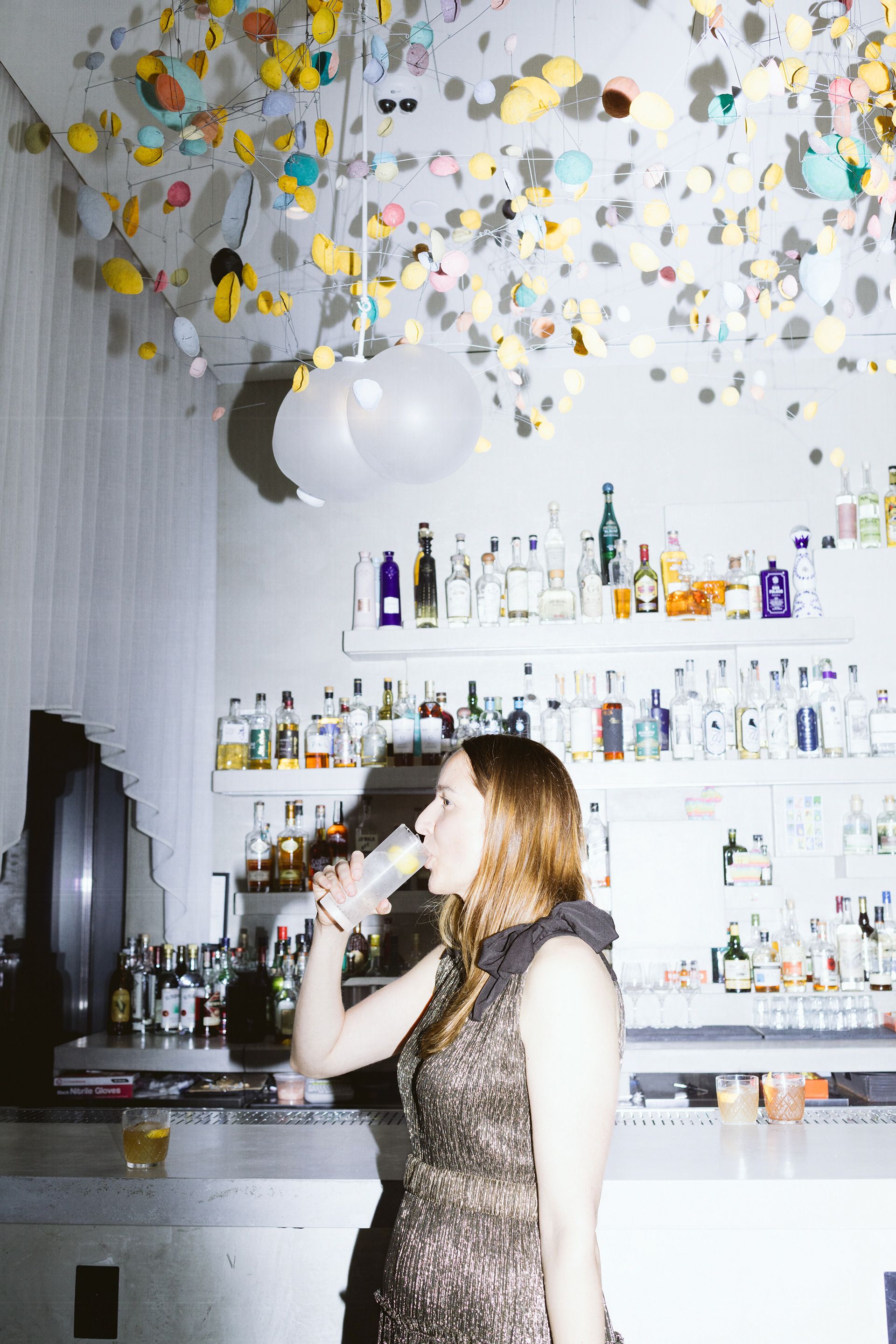
why it works better than ambient light at a party
Most events aren't lit for photography. They're lit for atmosphere: dim, moody, candle-heavy, exactly the way you'd want a room to feel and exactly the way a camera struggles to record. Ambient-light photography in that environment means either a slow shutter (motion blur, missed expressions) or pushed ISO (grain, noise, muddy color).
Direct flash solves that instantly. It freezes motion completely: mid-laugh, mid-dance, the exact second someone's champagne tips over. It doesn't care how dark the room is. And because the light source travels with the camera, it works in a packed, moving crowd the same way it works in an empty hallway.
The tradeoff, honestly: it's an unforgiving light. It doesn't flatter the way soft light does, and it's not the right choice for every moment of every event, which is exactly why I don't use it for everything. Quiet, intimate moments (a couple's first look, a toast, a slow dance) often call for something gentler. Direct flash is a tool I reach for on purpose, not a default I never turn off.
how I actually use it
My approach pairs direct flash with 35mm film as my default medium, not digital with flash as an afterthought. Film's grain structure and the flash's hard edge do something together that neither does alone: it reads as immediate, a little chaotic, genuinely alive, closer to a photo your friend took of you having the best night of your life than a studio-produced event recap. That's the whole aesthetic: 90s paparazzi energy, cool-girl direct flash photography, the beautiful mess of a real dance floor, filtered through a chic, editorial eye. Cool as hell, not simply documented.
frequently asked
Does direct flash always look harsh?
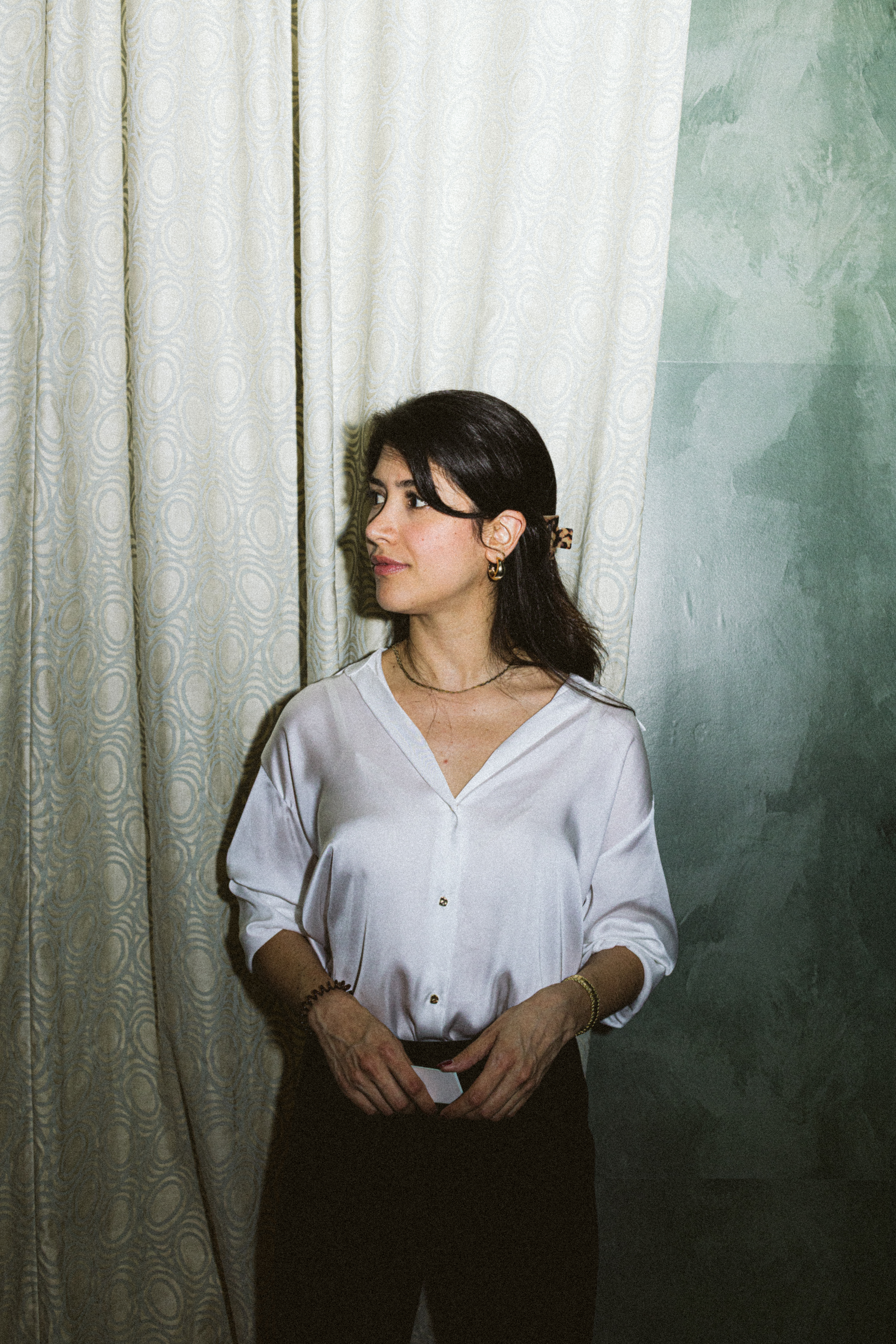
It has a signature contrast and edge, yes, but "harsh" isn't the same as "unflattering." Distance, angle, and timing all shape how it reads. Used well, it's punchy and alive, not blown-out or unkind.
Will it wash people out?
Not when it's exposed correctly. That's the technical skill part: knowing your flash output relative to your subject's distance so skin tones stay true instead of blowing to white.
Does direct flash work for weddings, or just parties?
Both. It's especially good for receptions, dance floors, and after-parties where the ambient light is low and the energy is high. For ceremonies and quieter moments, I usually reach for something softer.
Do I need to pose for it?
No. Direct flash is what makes candid, in-motion coverage possible in low light in the first place. It's built for capturing things as they happen, not staging them.
Curious what it looks like on your event? See the full archive, or say hello.